

Here is the fact that surprises most people: you do not need a single follower to get paid for brand content in India. UGC creators sell videos to brands, and the brand posts them on its own channels or runs them as ads. Your audience size is irrelevant. Your ability to make a stranger stop scrolling is everything.
That one difference has opened the creator economy to students, homemakers, working professionals and anyone with a decent phone camera. Brands like Mamaearth, boAt, Groww and dozens of smaller D2C companies now buy this content every week, because ads that look like a real person talking outperform polished studio ads on every metric that matters.
This guide is the full path, start to finish. Bookmark it; each section links to a deeper article as we publish the rest of this series.
First, what UGC actually is
UGC stands for user generated content. In the paid version of it, a brand hires you to create short videos that look like genuine customer content: unboxings, honest reviews, tutorials, day in the life clips featuring their product. The brand owns the video and uses it in their marketing.
The important line to draw: an influencer is paid for reach, a UGC creator is paid for the content itself. If you want the full comparison, we cover it in a dedicated piece on UGC versus influencer work later in this series.
"Brands pay for your video content (unboxings, tutorials, testimonials) to use in their ads, not for your audience size."
That is why the door is open to beginners. A brand evaluating you looks at your camera presence, your audio clarity and whether your first three seconds hook a viewer. Nobody asks for your follower count.
Step 1: Pick two or three niches, not ten
The Indian creators who get repeat work in 2026 specialise. Beauty and skincare, tech and gadgets, food and beverages, personal finance apps, home products, fitness and supplements: these are the categories where Indian D2C brands spend the most on UGC right now.
Pick the two or three you genuinely use. Authenticity is not a buzzword here, it is visible on camera. A person who actually tracks their expenses talks about a fintech app differently than someone reading a script, and brands can tell in one watch.
Step 2: Build a portfolio before anyone pays you
This is where most beginners stall, and it is the simplest step of all. Create five to eight practice videos with products you already own. Your moisturiser. Your earphones. The protein powder on your shelf. Film them like a paid brief: a hook in the first three seconds, one clear benefit, natural lighting, clean audio.
These practice pieces are called spec videos, and they are the accepted industry standard for a starter portfolio. No brand expects a beginner to show past client work. They expect proof you can deliver the format.
We will publish a full portfolio guide with structure and examples as the next article in this series. Until then, the short version: 5 to 8 videos, 20 to 40 seconds each, at least two niches represented, hosted anywhere a link can reach.
Step 3: Set your rates from data, not fear
Beginners in India routinely undercharge because they price from insecurity. Here is what the market actually pays, from two directions.
Published industry guides put Indian UGC rates at ₹3,000 to ₹8,000 per video for beginners, climbing to ₹15,000 to ₹50,000 for experienced creators in premium niches like tech and finance.
"Beginners (0 to 3 months) earn ₹3,000 to ₹8,000 per video; growing creators (3 to 6 months) earn ₹5,000 to ₹15,000/video; established creators (6 to 12 months) earn ₹8,000 to ₹25,000/video." Source: IdentityKit, How to Become a UGC Creator in India 2026
And from our own marketplace: UGC packages on our marketplace list at a median of ₹5,000, with half of them between ₹5,000 and ₹10,000, across 16 live packages counted on 22 September 2026. Those are real prices set by real creators, visible right now on our discover page.
Read the full breakdown with monthly income maths in our companion piece: How much do UGC creators earn in India? And when you set your own price, our free pricing calculator does the arithmetic for you.
Step 4: Find the brands that already buy UGC
The biggest UGC buyers in India cluster in a few categories: beauty brands like Mamaearth, Plum and Minimalist; supplement brands like Oziva and Wellbeing Nutrition; fintech apps like Groww, Jupiter and CRED; food D2C brands like Yoga Bar and The Whole Truth; and electronics brands like boAt, Noise and Portronics.
Three ways to reach them, in order of effort:
- List on a marketplace. Create a profile, publish a UGC package with your price, and let brands come to you. On InfluencerMetric it takes about ten minutes and costs nothing, and payment is held in escrow so a brand cannot take your video and disappear.
- Direct outreach. A short, specific DM or email to a brand's marketing team with your portfolio link. Specific beats polished: mention their actual product and one idea you would shoot for it.
- Job boards and gig platforms. UGC listings appear regularly on hiring platforms now; Glassdoor alone lists over a hundred UGC creator roles in India. Response rates are lower, but volume exists.
Step 5: Deliver like a professional
Your first booking decides whether there is a second. The habits that turn one order into a monthly retainer are boring and learnable: confirm the brief in writing, deliver a day early, offer one free revision, export in the exact format asked, and never miss a deadline without warning.
On our platform, delivery and revisions run through a tracked order flow, which protects both sides and quietly builds your review history. Reviews are the currency that lets you raise rates later.
The mistakes that keep beginners unpaid
- Waiting to feel ready. Your fifth spec video will embarrass your first. That is the process working.
- Working without payment protection. Deliver first and invoice later only works with brands you trust. Escrow exists so you do not have to trust anyone.
- Pricing per hour. Brands buy outcomes, not time. Price per deliverable, always.
- One giant showreel. Brands want to see complete individual videos in their format, not a montage.
- Ignoring audio. Viewers forgive imperfect video and never forgive bad audio. A ₹1,500 lapel mic pays for itself on the first booking.
Related reading in this series
- UGC portfolio examples that get brands to reply
- UGC creator vs influencer: which pays more
- The UGC rate card template
Frequently asked questions
Do I need followers to become a UGC creator in India?
No. Brands buy the content itself and publish it on their own channels. Camera presence and content quality are what get you hired, not audience size.
How much can a beginner UGC creator earn in India?
Realistic beginner rates are ₹3,000 to ₹8,000 per video. Producing five to ten videos a month across a few brand clients puts early income between ₹15,000 and ₹50,000 monthly. Our earnings article breaks the maths down fully.
What equipment do I need to start?
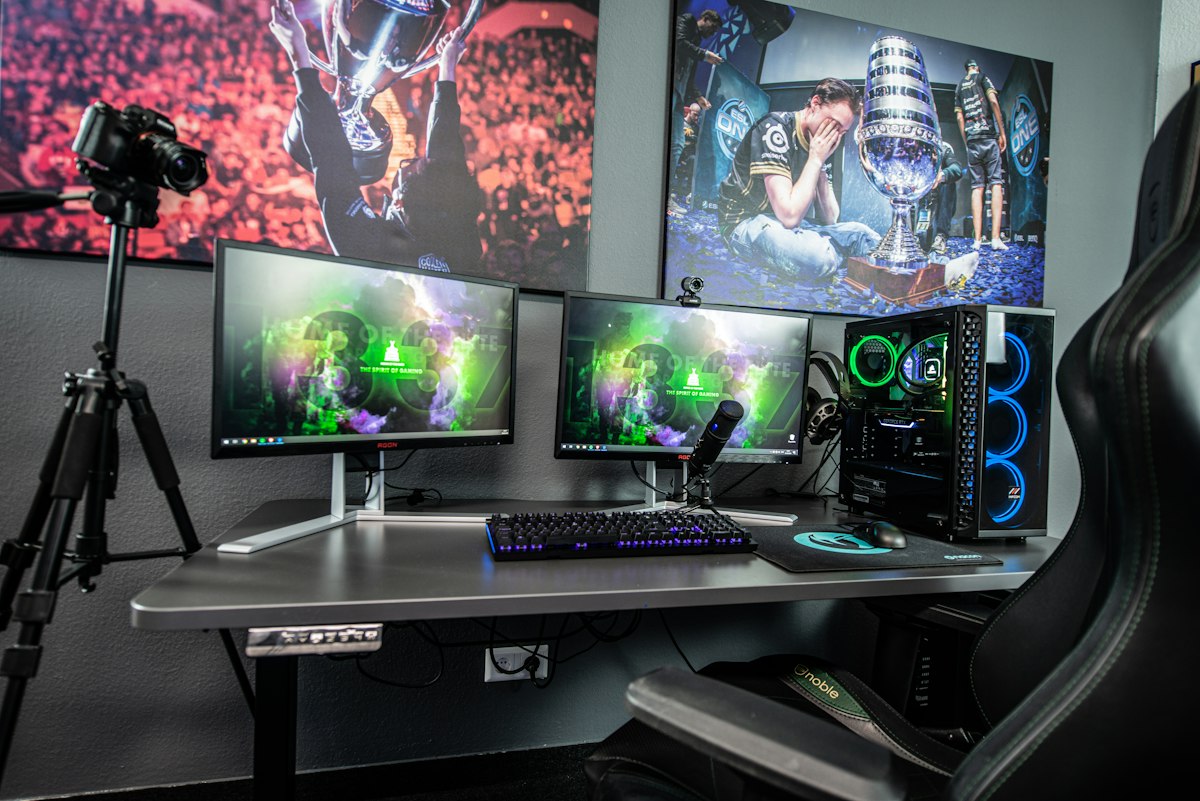
A phone with a decent camera, daylight from a window, and clean audio. A tripod and a basic lapel microphone, together under ₹3,000, cover 90 percent of paid briefs.
How long does it take to get the first paid brand deal?
With a focused portfolio and active outreach or a marketplace listing, most committed beginners land their first paid order within four to eight weeks.
Sources
- InfluencerMetric marketplace listings data, 16 UGC packages counted 22 September 2026 (primary)
- IdentityKit: How to Become a UGC Creator in India 2026
- Fueler: How Much Do UGC Creators Earn in India
- Glassdoor: UGC creator jobs in India
Related: UGC in India: The Complete 2026 Guide for Creators and Brands, the complete UGC in India guide.
Related: How to Get Your First Paid UGC Client in India (The 30 Day Plan), how to get your first paid UGC client.
Related: How to Shoot UGC Videos With Just Your Phone (No Camera, No Studio).
Related: How to Edit UGC Videos Like a Pro Using CapCut (Free, on Your Phone).